Food & Tradition

Kumaoni Cuisine

One of India's oldest and least-known regional food traditions — born in high-altitude kitchens, shaped by local crops, and perfected over centuries of mountain living.

"The food of Kumaon is not about complexity — it is about truth. What grows here, what feeds here, what has fed people for a thousand years."
— A Kumaoni elder from Almora
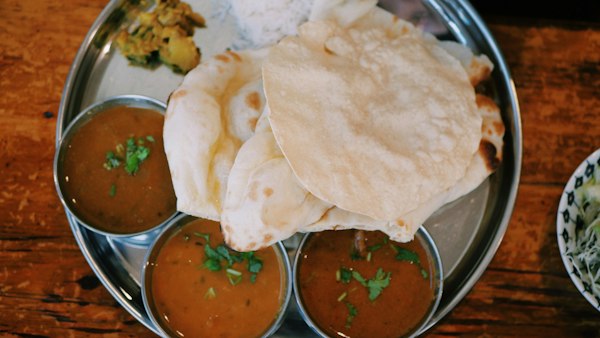
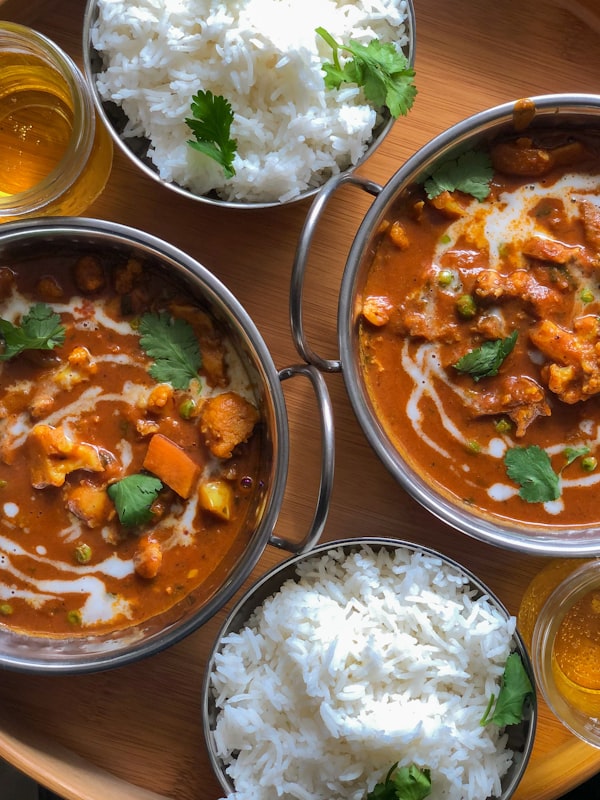
Traditional Kumaoni thali

A Kitchen Shaped
by the Mountain

Kumaoni cuisine is deeply tied to the land — to the altitude, the short growing seasons, the local varieties of grain and legume that don't grow anywhere else in India. Bhatt (black soybean), Gahat (horse gram), Mandua (finger millet), and Jhangora (barnyard millet) form the backbone of a diet that is nutritionally perfect for high-altitude life.

Unlike the rich dairy-heavy cuisines of Rajasthan or the spice-forward kitchens of the south, Kumaoni food is subtle. It relies on the natural savour of the ingredients, slow cooking over wood fires, and a restrained hand with seasoning. The result is food that deeply satisfies without ever overwhelming.

At Soul Kumaon, breakfast and dinner are cooked by our Kumaoni caretaker — whose family has cooked in these hills for three generations. Every meal is different, seasonal, and made with produce sourced from farms within walking distance.
🌾 Mandua (Finger Millet)
🫘 Bhatt (Black Soybean)
🌿 Gahat (Horse Gram)
🌾 Jhangora (Barnyard Millet)
🥛 Ghee
🌶️ Timur (Sichuan Pepper)
🪴 Jambu (Wild Chive)
🧅 Rai (Mustard)
🧄 Jakhiya Seeds
🍵 Burans (Rhododendron)

Dishes You Must Try

Bhatt ki Churkani
🫘

Bhatt ki Churkani

Black soybean cooked with aromatic tempering in a thick curry. The signature dish of Kumaon — earthy, deeply flavoured, and unlike anything you'll eat anywhere else in India.

Staple Dish
Aloo ke Gutke
🥔

Aloo ke Gutke

Spiced whole potatoes tempered with jakhiya seeds and dried red chillies. Deceptively simple, unforgettably good. The most beloved side dish across all of Kumaon.

Must Try
Gahat ki Dal
🌿

Gahat ki Dal

Horse gram lentil slow-cooked for hours until it becomes thick and intense. High in protein, warming in winter, and central to the Kumaoni Thali. Prescribed in Ayurveda for kidney stones.

Winter Staple
Phaanu
🍲

Phaanu

A slow-cooked mixed pulse stew — made with a combination of local dals ground and simmered for hours. Originally a festival dish, now a daily luxury. Best eaten with bhatt rice.

Festival Food
Mandua Roti
🫓

Mandua ki Roti

Flatbread made from finger millet (Mandua) — dark, slightly nutty, and extraordinarily nutritious. Eaten with ghee and any dal, it is the defining bread of the Kumaon hills.

Daily Bread
Jhangora Kheer
🍮

Jhangora ki Kheer

Barnyard millet cooked in milk and sugar — a dessert that predates rice kheer in the Kumaon hills by centuries. Lighter than rice-based kheer, with a faintly nutty sweetness.

Dessert
Kafuli green leafy dish
🥬

Kafuli

A silky purée of spinach and fenugreek leaves thickened with rice flour and tempered with ghee. One of Kumaon's most ancient preparations — nutritious, comforting, and deeply green.

Ancient Recipe
Dubuk lentil curry
🫕

Dubuk

A thick lentil preparation similar to phaanu but with a distinct tarka of jakhiya and tomato. Often eaten at weddings and festivals, Dubuk is the celebratory dish of Kumaoni households.

Festive
Singal sweet fritter
🍩

Singal

A deep-fried wheat flour delicacy made during festivals and fairs. Crispy outside, soft inside, dusted lightly with powdered sugar. The Kumaoni equivalent of a festive doughnut.

Festival Treat

Make Aloo ke
Gutke at Home

The most beloved dish of Kumaon — and the most democratic. A dish of whole potatoes and wild seeds that tastes like it took years to figure out, but actually comes together in fifteen minutes.

Aloo ke Gutke

Serves 4 · Ready in 20 minutes

Ingredients
6 medium potatoes (boiled)
2 tbsp mustard oil
1 tsp jakhiya seeds
3 dry red chillies
½ tsp turmeric
Salt to taste
Fresh coriander
  1. Cut boiled potatoes into halves or quarters, keeping skin on.
  2. Heat mustard oil in a heavy pan until it just begins to smoke.
  3. Add jakhiya seeds and dry red chillies — they'll pop and darken quickly.
  4. Add the potatoes and toss to coat in the tarka.
  5. Add turmeric and salt. Press each piece lightly into the pan.
  6. Let sit undisturbed for 2 minutes to char the base. Flip and repeat.
  7. Finish with fresh coriander. Serve immediately.
Aloo ke Gutke

Sweets & Mithai

🍫

Bal Mithai

Dark fudge made from reduced milk and coated in white sugar balls. The most famous sweet of Almora — made in shops that have been open since 1890.

🍬

Singodi

Coconut and khoya wrapped in Maalu leaves — the leaf imparts a subtle, forest-like fragrance to the sweet. A Kumaoni specialty with no equivalent elsewhere.

🎋

Arsa

A deep-fried rice flour and jaggery sweet made during Holi and other festivals. Dense, dark, and powerfully sweet — one piece is enough.

🍵

Burans Sharbat

A seasonal drink made from Rhododendron (Burans) petals — bright pink, tart, and floral. Available only in March and April when the forests are in full bloom.

Where to Eat
in Almora

Beyond Soul Kumaon's own kitchen, these are the places we send our guests — old shops, family dhabas, and simple eateries where the food is as honest as the hills.

01

Bhairav Dutt Sweets — Mall Road

The original Bal Mithai shop in Almora, operating since the 1890s. No menu — just the one sweet, packed in red boxes.

📍 Mall Road, Almora · Open 9am–8pm
02

Mohan's Vegetarian Restaurant

The most reliable spot for a full Kumaoni Thali with Bhatt dal, Kafuli, Phaanu, and freshly made Mandua rotis.

📍 Lala Bazar, Almora · Lunch only
03

Donu Dhaba — Kosi Market

A no-frills dhaba serving Aloo Gutke, Dal, and Jhangora rice at a price that will embarrass most city restaurants.

📍 Kosi, near bus stand · Breakfast from 7am
04

Kasar Devi Chai Stalls

The ridge above Almora has a line of small tea stalls serving ginger chai, singal, and Kumaoni biscuits with views over the valley.

📍 Kasar Devi Ridge · Dawn to dusk
Chat with us